

5 Ways to Experience Ras Al Khaimah Like a Local
Friday fish market at dawn, karak on the Corniche, the wadi everyone swims in. Five Ras Al Khaimah routines worth copying, with times and directions.
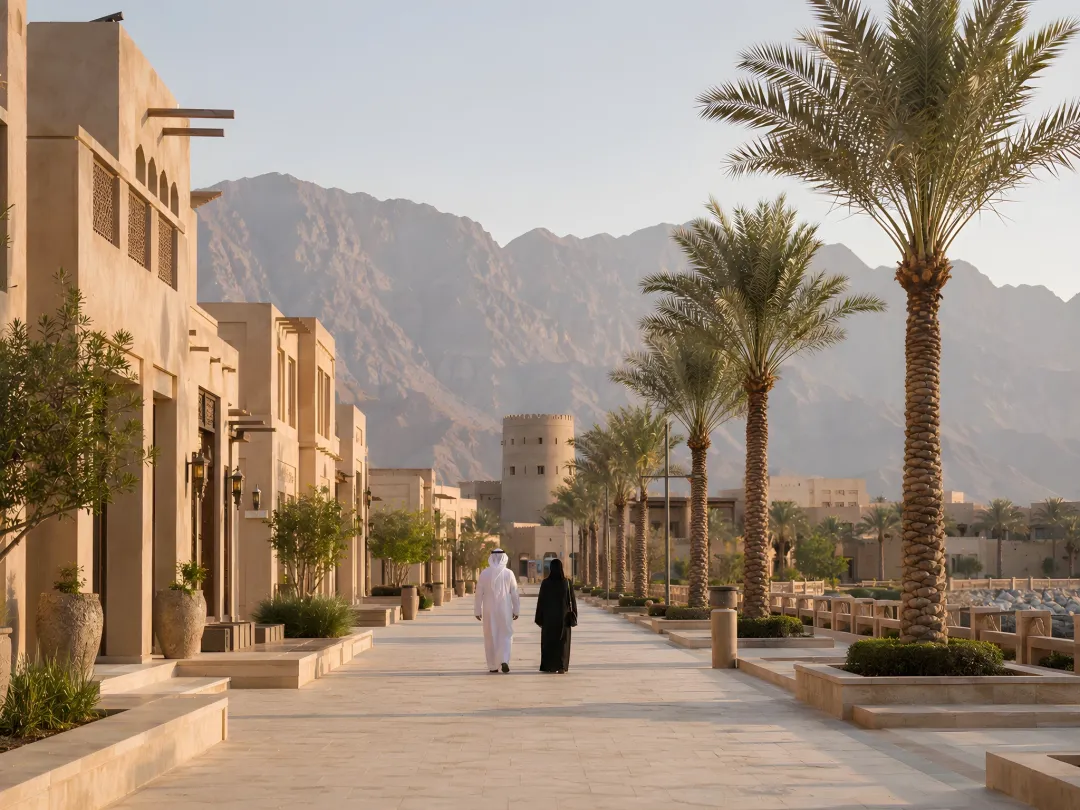
Ras Al Khaimah is often seen through its mountains, beaches and resorts, but the emirate’s real character is found in its everyday places. To feel RAK like a local, start early, follow the food, visit the quieter corners, and look for the traditions that are still part of daily life.
1. Start the morning at the Old Ras Al Khaimah Fish Market
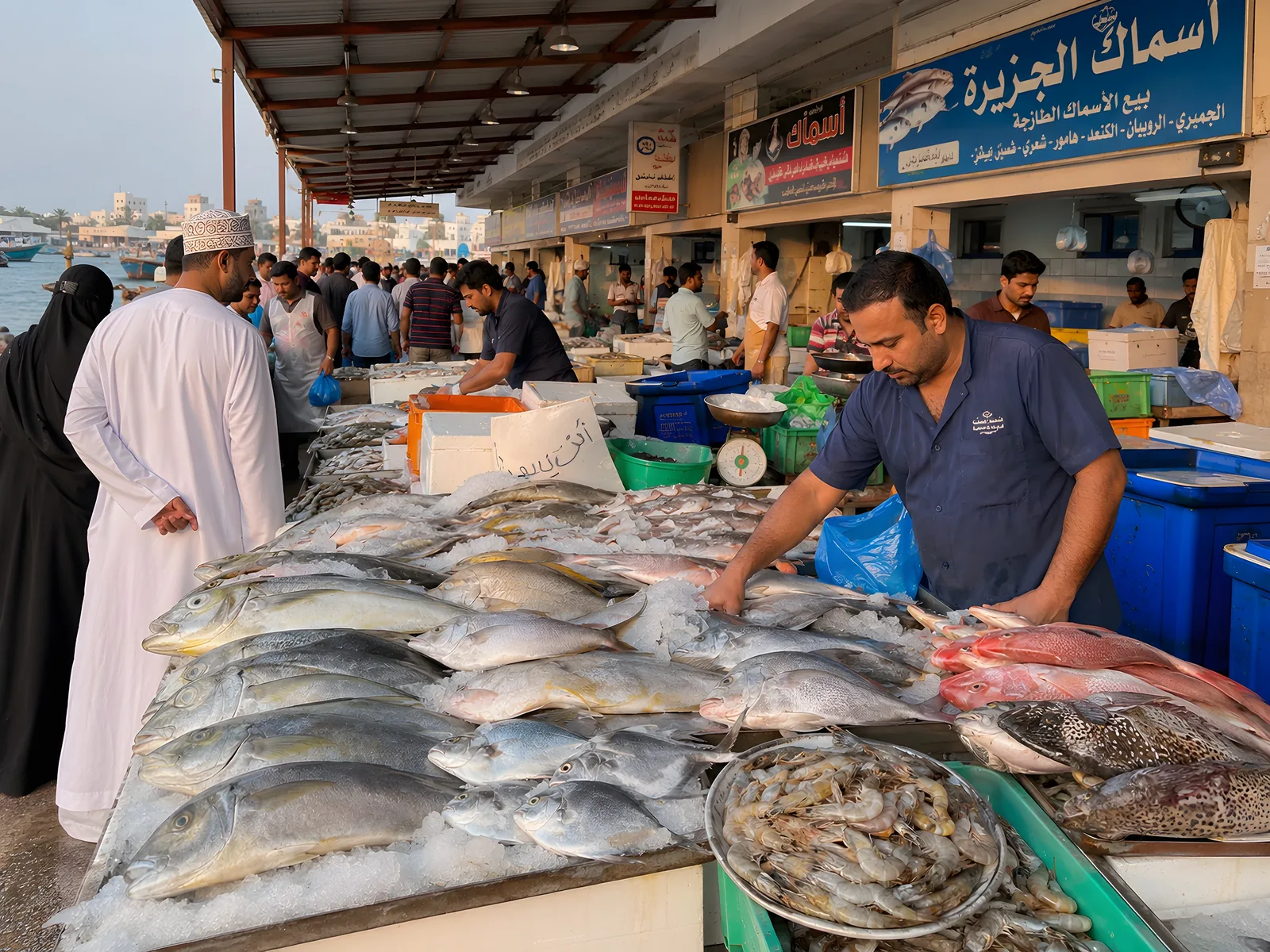
A local day in RAK begins early. At the Old Ras Al Khaimah Fish Market, the city’s coastal identity comes to life through fresh catch, traders, fishermen and residents choosing seafood for the day.
It is not a polished tourist stop, and that is exactly why it feels authentic. The market reflects RAK’s long relationship with the sea, from fishing and trade to the food that still appears on family tables today.
After visiting, stop for karak nearby. Try Nena Tea in Old Town or Mannoor Café, one of the older local tea spots in Ras Al Khaimah. A cup of karak after the fish market is a simple but very local way to start the day.
2. Walk through Kuwaiti Souq
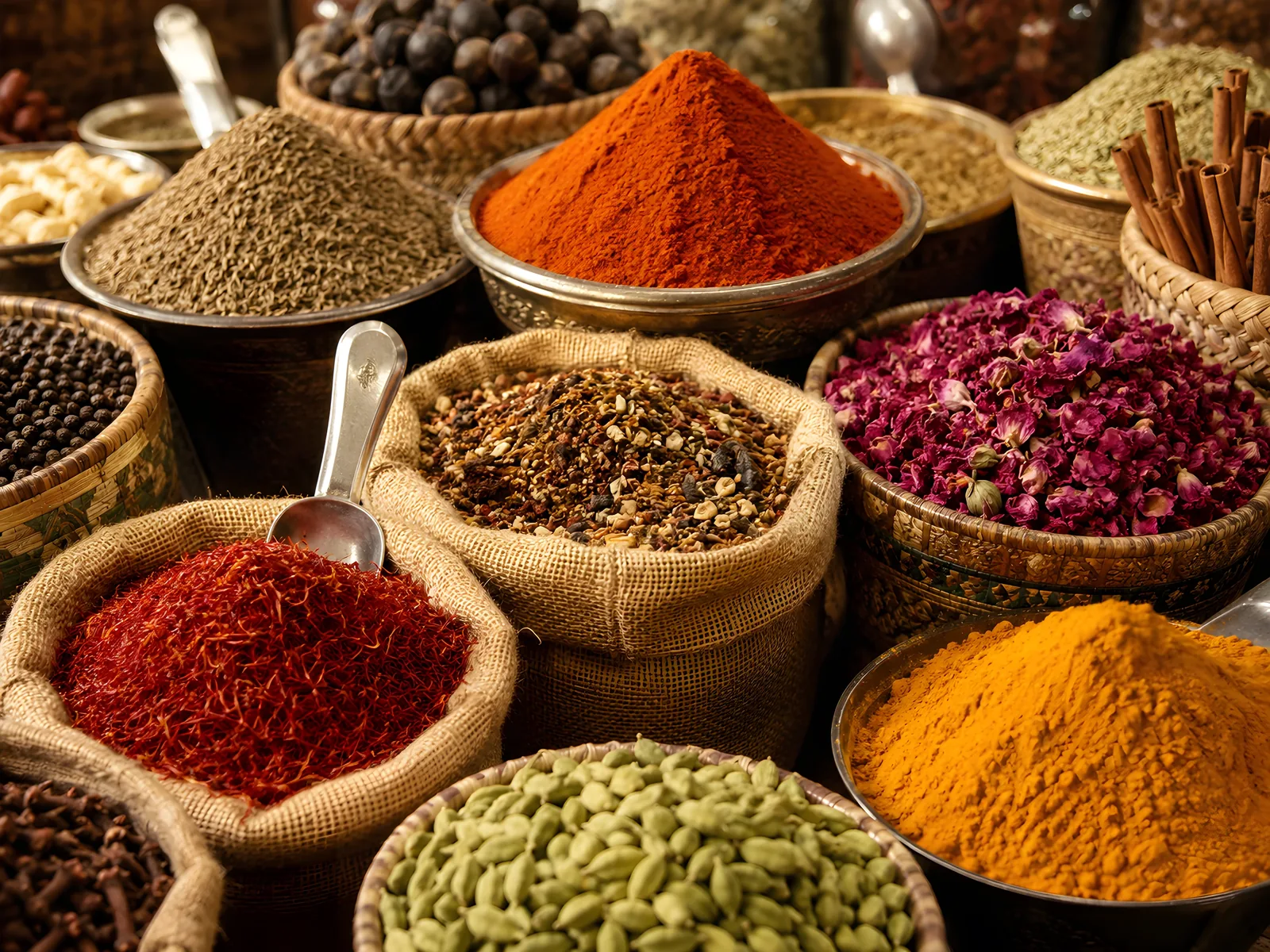
After the fish market, continue into the old part of the city and visit Kuwaiti Souq. This is one of Ras Al Khaimah’s most familiar traditional shopping areas, known for textiles, perfumes, oud, spices, abayas, household items and small local shops.
The charm of Kuwaiti Souq is in how everyday it feels. It is not about luxury shopping or polished displays. It is about narrow storefronts, colourful fabrics, the scent of incense, shopkeepers who know their customers, and the simple rhythm of people buying what they need.
It is also a good place to pick up something more meaningful than a standard souvenir, such as Arabic perfume, bakhoor, dates, spices or fabric.
3. Discover RAK Nature’s Treasures
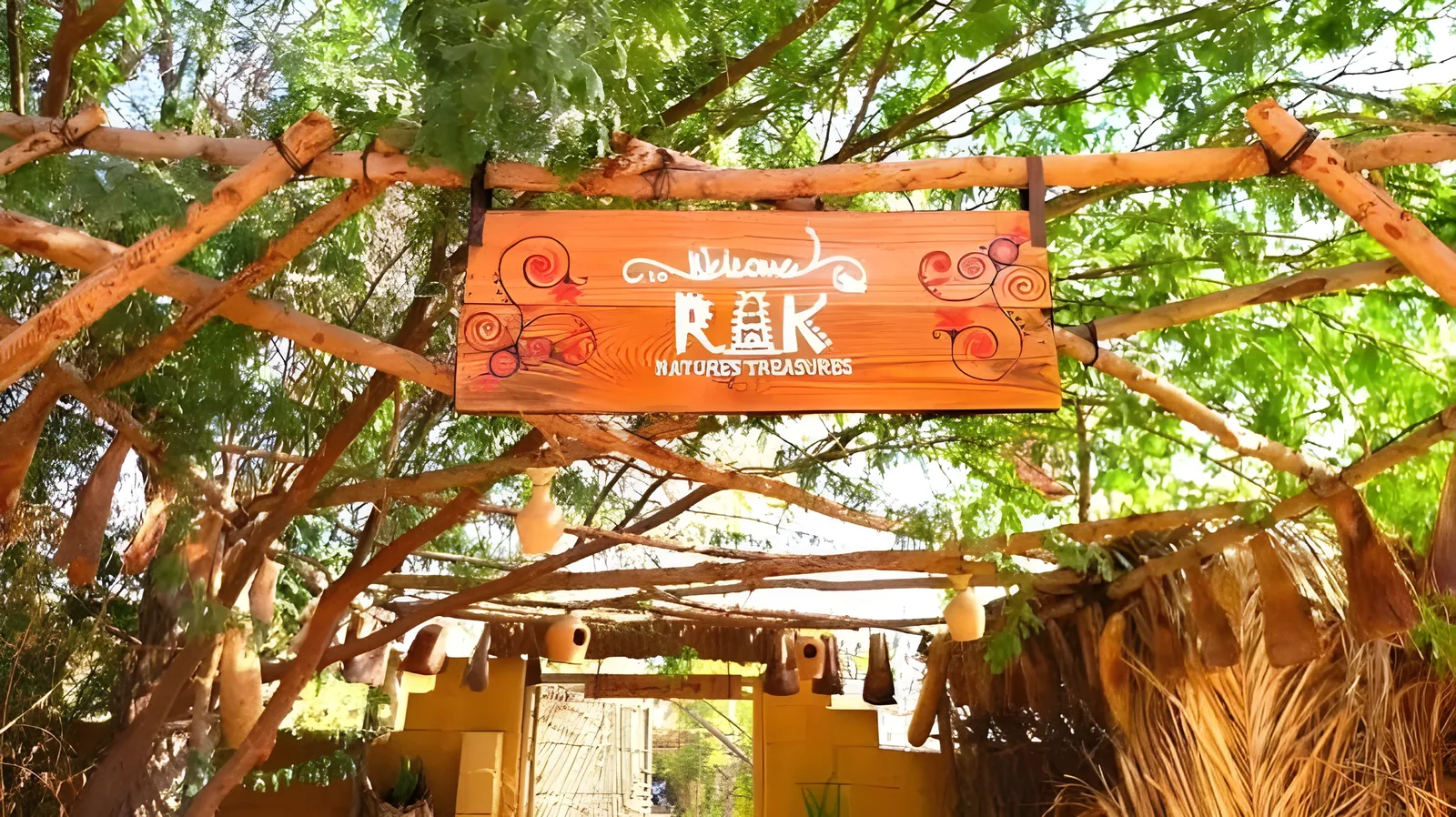
For something different from the usual museum route, visit RAK Nature’s Treasures. This private natural history museum brings together fossils, gemstones, seashells, preserved insects, taxidermy animals, birds, herbs and spices.
It is unusual, personal and family-friendly, which makes it feel more like a place locals would know than a standard tourist attraction. It also shows another side of RAK’s identity: its mountains, desert, coastline and natural world.
This is a good stop for visitors who want to understand the emirate beyond heritage buildings. RAK’s culture is not only found in forts and old villages; it is also shaped by nature, collecting, curiosity and the landscapes that surround the city.
4. Watch camel racing at Al Sawan Camel Race Track
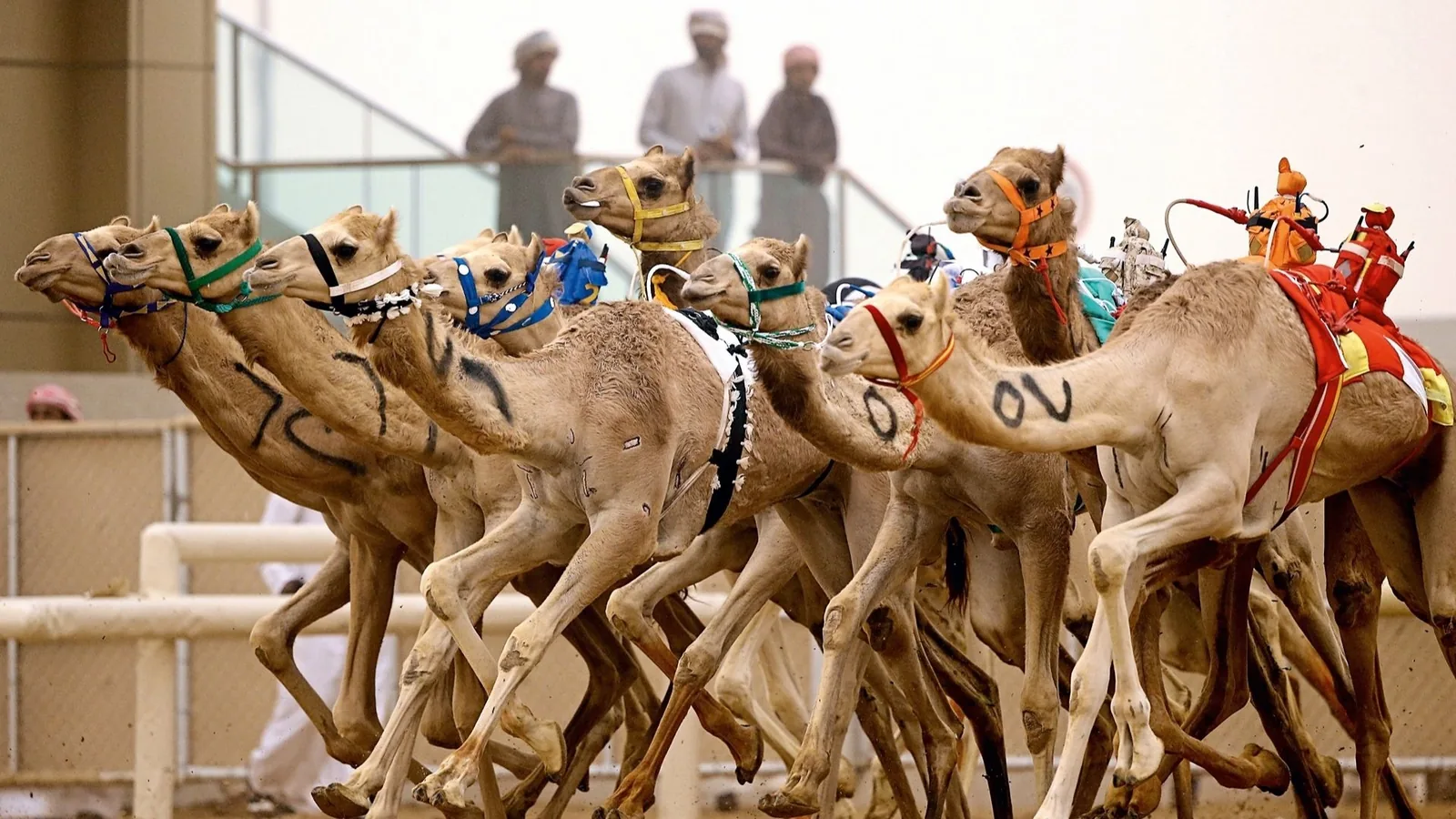
For a cultural experience that is still alive today, head to Al Sawan Camel Race Track in Digdaga. Camel racing is part of Emirati heritage, but here it does not feel staged. It is energetic, local and rooted in tradition.
The best time to go is usually early on a Friday morning during the cooler racing season. Visitors can watch the camels race around the track while owners and trainers follow alongside. It is fast, lively and completely different from a typical sightseeing experience.
Before going, check the schedule, as races are seasonal and timings can change.
5. Eat in the Old Market and local neighbourhoods
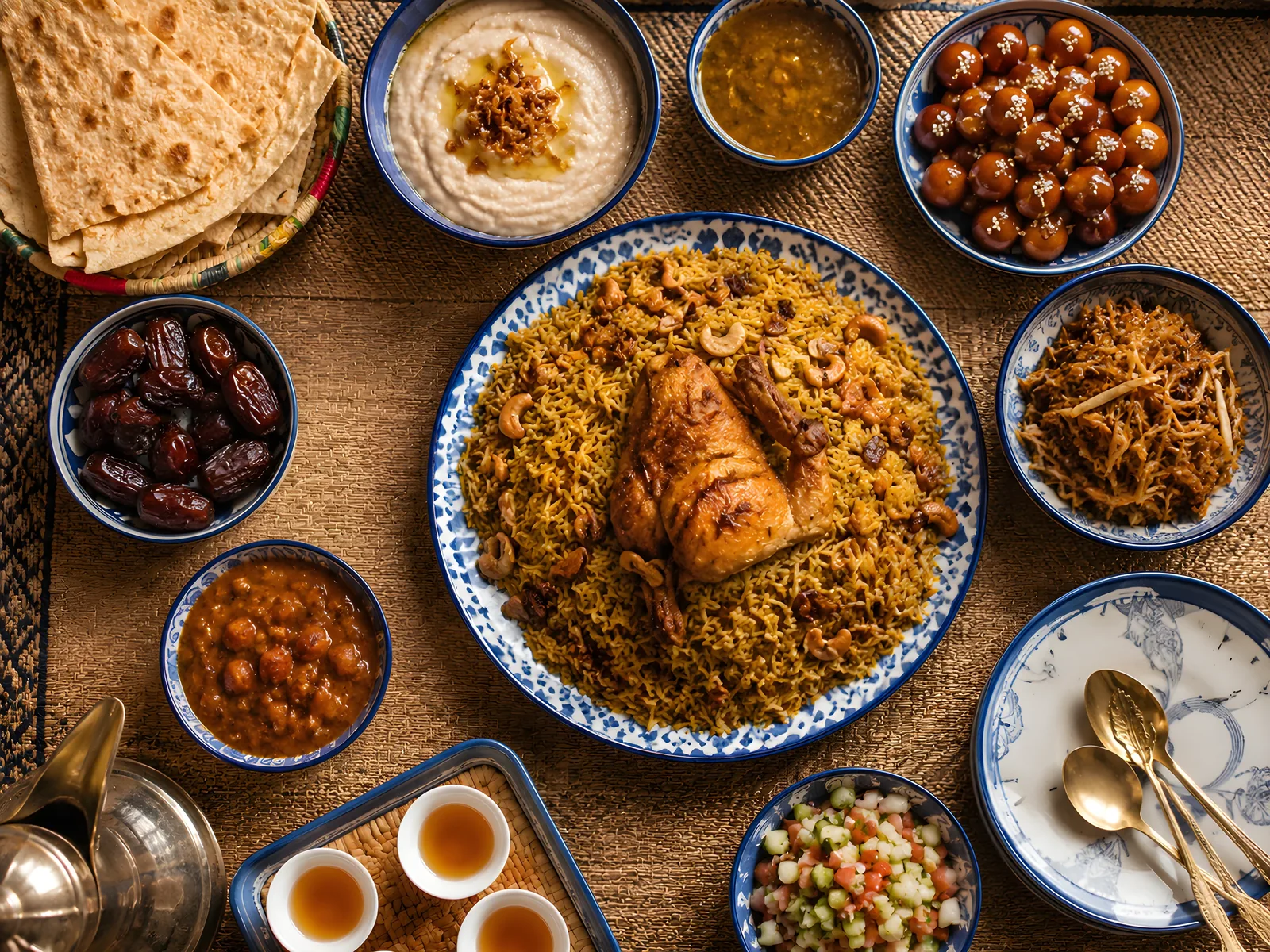
The easiest way to feel local in RAK is through food. Instead of only dining in hotels, look for casual restaurants in the Old Market, Old Town and coastal neighbourhoods.
For Emirati food, try Eayshat Awal in the Old Market, where dishes like machboos, harees, grilled seafood and karak bring together the flavours of home-style cooking. For seafood, Emirates Sea Restaurant is a good option for fish, prawns, crab and rice dishes inspired by the region’s coastal food culture.
You can also explore the Al Rams area for a more community-based coastal atmosphere. It is one of those places where RAK feels slower, more familiar and closely connected to the sea.
A different side of Ras Al Khaimah
To experience Ras Al Khaimah like a local, do not only follow the main tourist route. Visit the fish market in the morning, walk through Kuwaiti Souq, drink karak in the old town, watch camel racing, and eat where residents eat.
These are the places that reveal RAK’s real rhythm: coastal, warm, traditional, and deeply connected to both land and sea.
What’s on, new openings and the sharpest deals across Ras Al Khaimah — one short email a week. Free, no noise.
You’re in — the next Brief lands in your inbox.
Ras Al Khaimah, once a week. Unsubscribe anytime.


Getting here, the best time to go, and ready-made itineraries.
Start here →