

Al Falayah Fort Ras Al Khaimah: A Heritage Visitor Guide
The Qawasim summer palace where the 1820 treaty was signed. Al Falayah Fort's history, whether it is open, and how to find it.
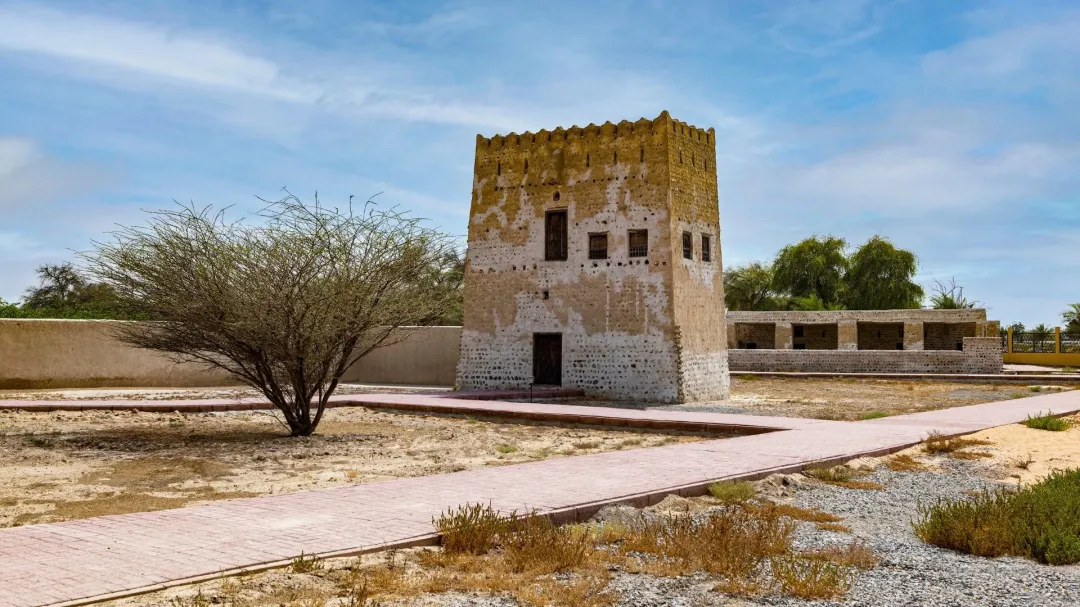
Some places in Ras Al Khaimah are worth visiting for the view. Al Falayah Fort is worth visiting for the story. This inland fort was once the summer home of the Al Qasimi ruling family, and it is the spot where the 1820 Peace Treaty with Britain was signed, a moment that helped shape the modern Gulf. If you like your travel with a little history behind it, put this one on your list.
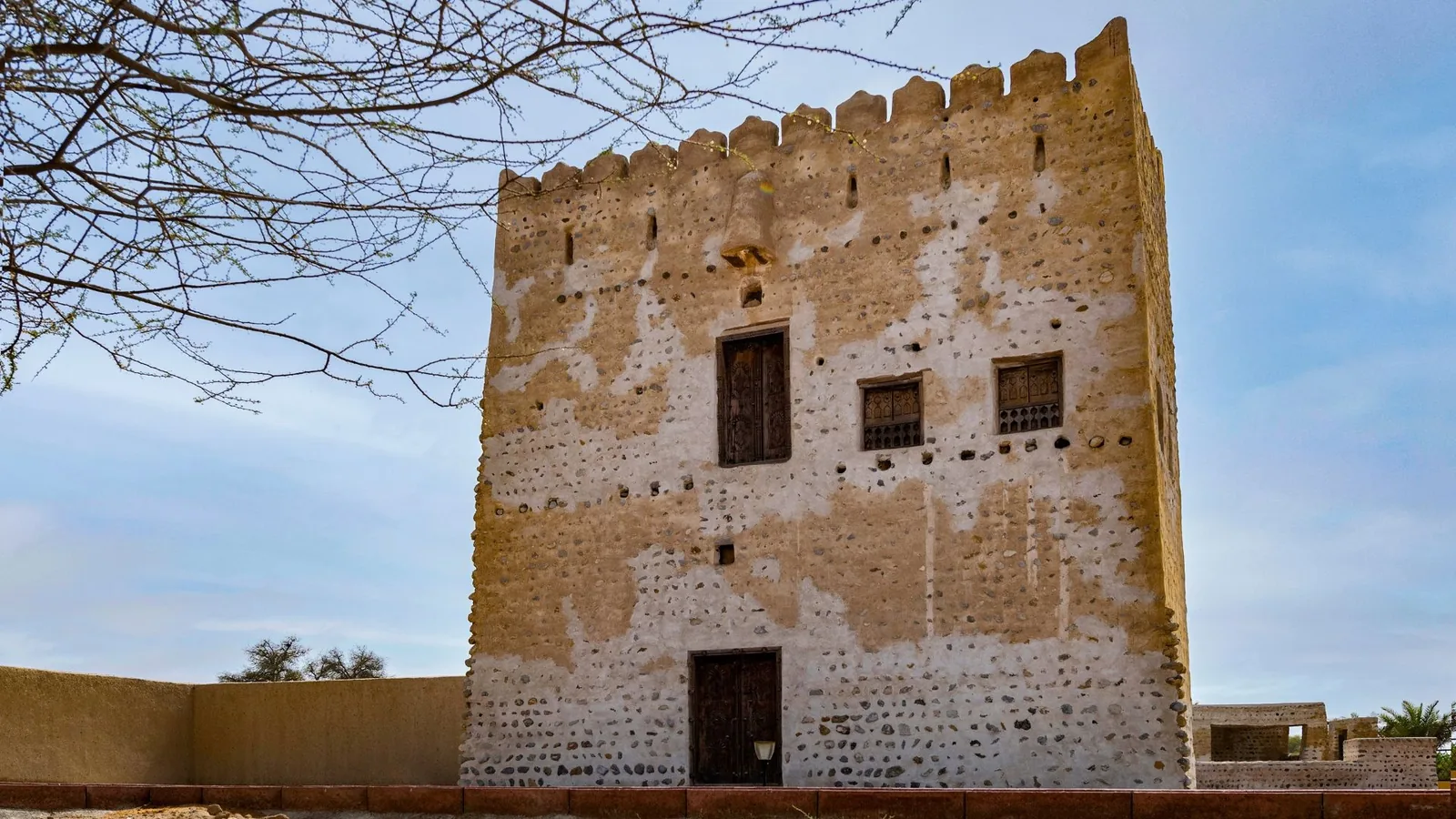
Al Falayah Fort at a Glance
Al Falayah Fort is an 18th-century summer residence built for the Al Qasimi rulers of Ras Al Khaimah. Its most famous chapter came in 1820, when the General Maritime Treaty, often called the Peace Treaty, was signed here between local rulers and Britain.
-
What it is: an 18th-century Al Qasimi summer residence
-
Why it matters: site of the 1820 General Maritime Treaty with Britain
-
Visitor rating: a Google rating of 4.4 from around 27 reviews
-
Managed by: Ras Al Khaimah heritage authorities. For current access details, check the official site.
Because it is looked after under RAK heritage, opening arrangements and restoration status can change. Always confirm before you drive out.
The History Behind the Fort
A seasonal retreat
The fort served as a summer residence, a place for the ruling family to move away from the pressures of the coast. Inland forts like this one played both a domestic and a defensive role, combining living quarters with protective walls and towers.
The Al Qasimi dynasty
The Al Qasimi family has long been central to the history of Ras Al Khaimah and the wider region. A residence associated with the ruling family is not just a building; it is a window into how power, family life, and diplomacy overlapped in the 18th and early 19th centuries.
The 1820 treaty
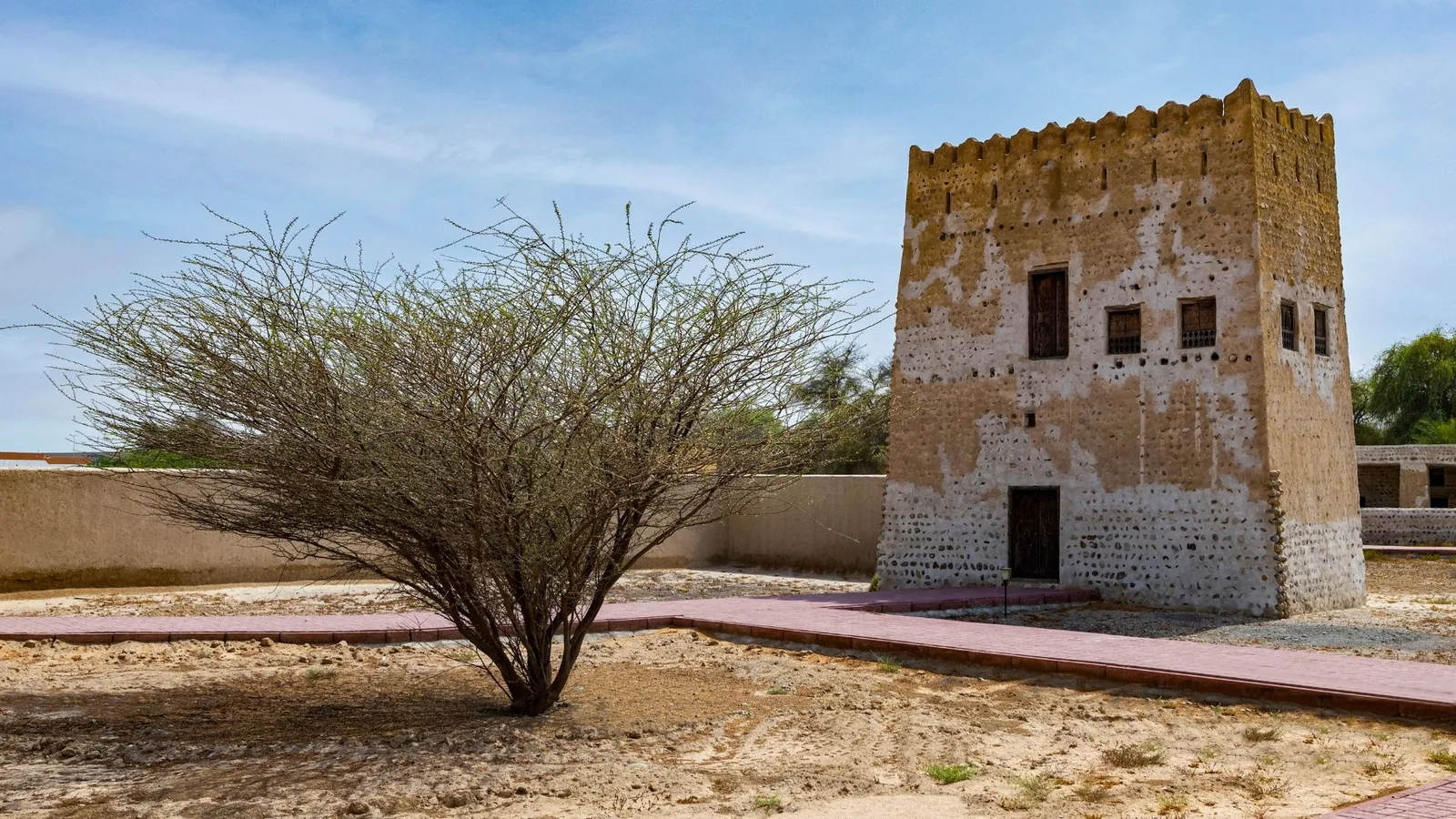
The signing of the 1820 General Maritime Treaty at Al Falayah is the fort's defining legacy. This agreement between Gulf rulers and Britain reshaped maritime relations in the region and is often cited as a turning point in the history of what would eventually become the United Arab Emirates. Standing on the site where it was signed gives that history a real sense of place.
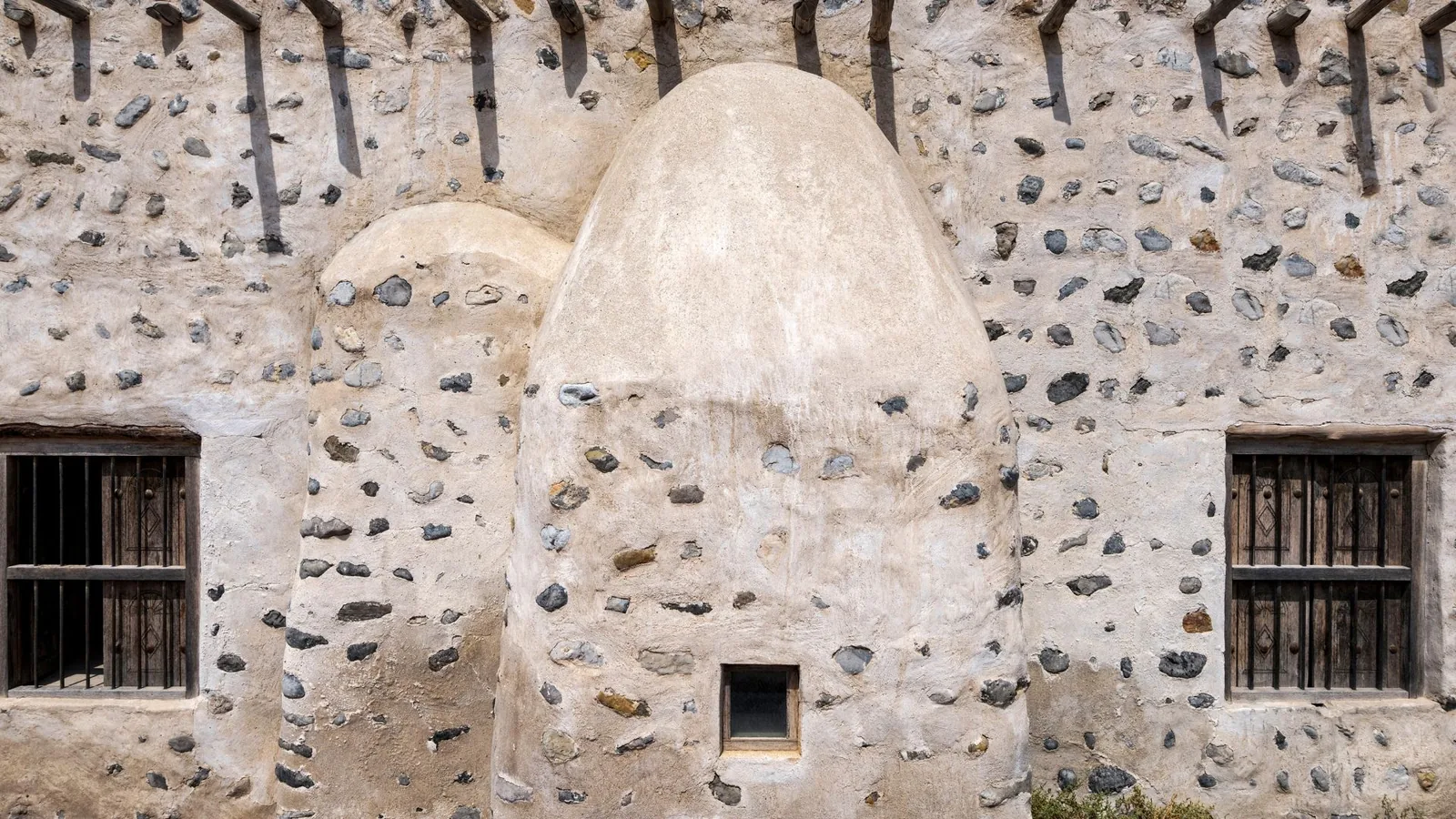
Architecture
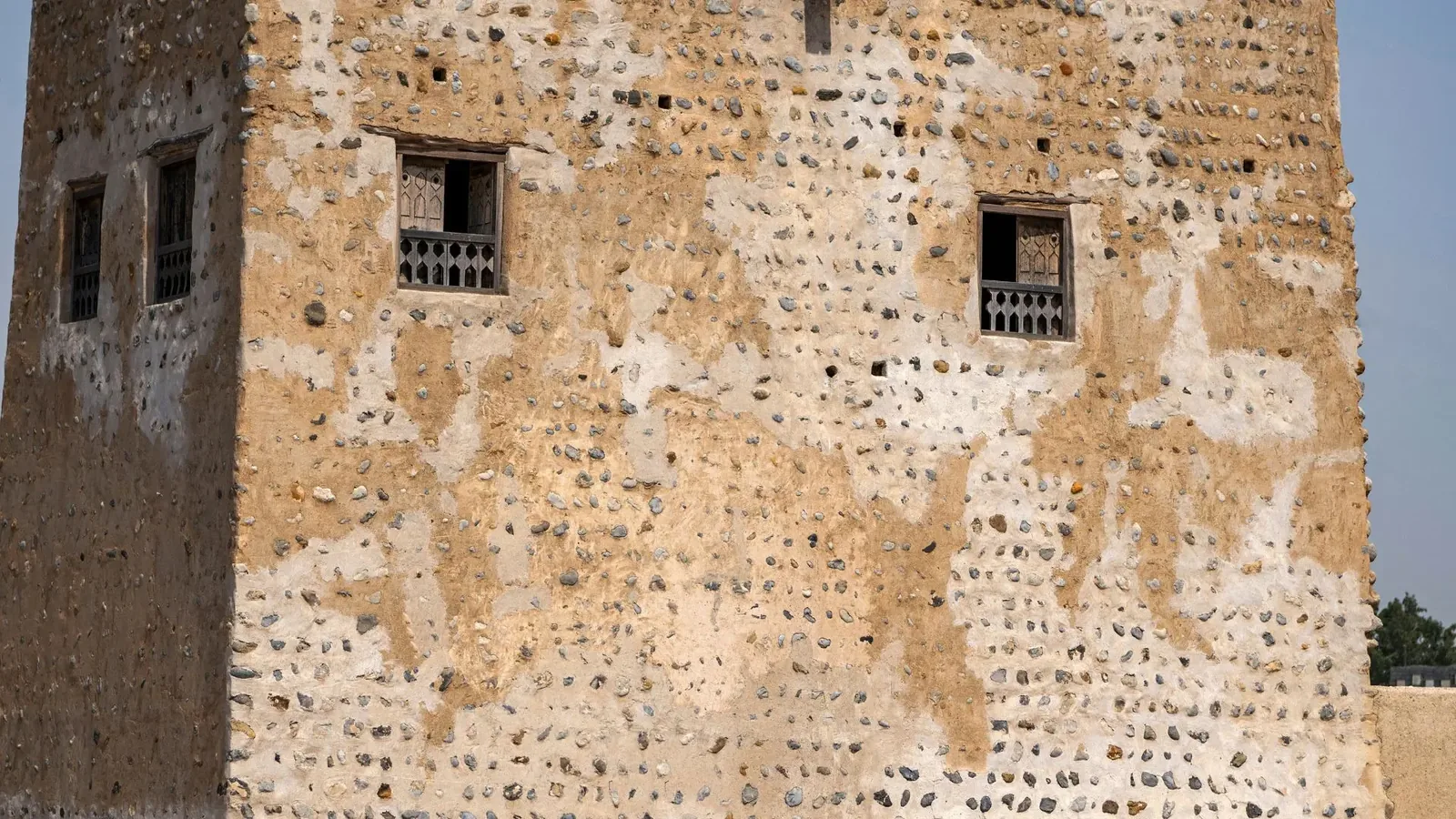
The fort shows the features typical of Emirati desert forts: thick mudbrick walls, defensive towers, and a layout built for both shelter and protection from the heat. If you want to understand traditional Emirati building, this is a good study.
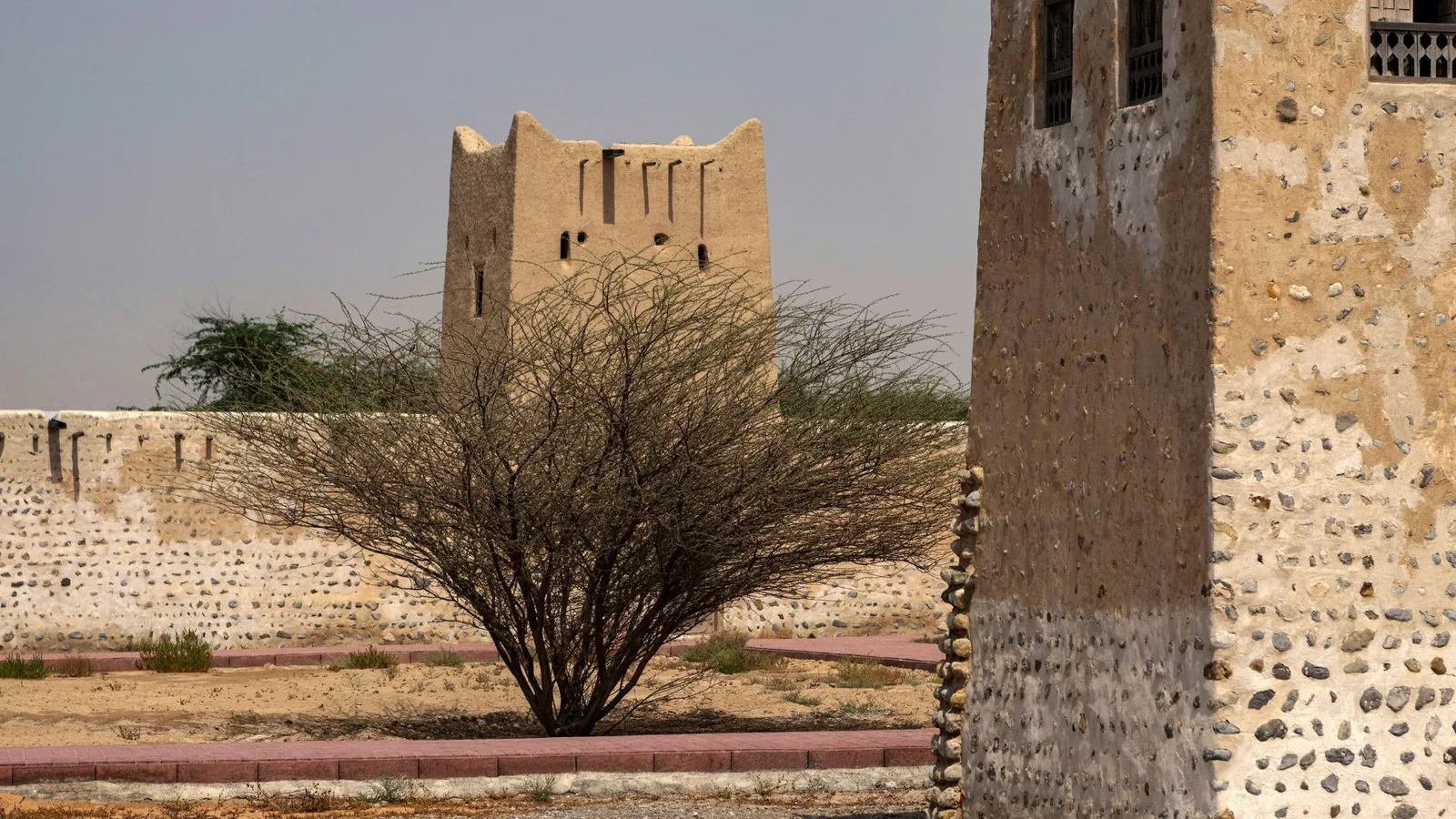
What You Will See on a Visit
Expect restored mudbrick walls, towers, and the traditional courtyard-style layout that defined forts of this era. The setting itself is part of the appeal, with date palms and an agricultural landscape framing the structure.
For visitors, the highlights tend to be:
-
The restored walls and defensive towers
-
Context on daily life and defensive design (check current on-site signage or the official site for interpretive details)
-
The surrounding palm groves and quiet inland scenery
-
Photography of authentic heritage architecture without the crowds of a coastal attraction
If you enjoy heritage photography, the mudbrick tones against the palms and sky make for striking, honest shots. For more ideas on where to point your camera around the emirate, see our guide to the best photography spots in RAK.
How to Get There and Location Tips
Al Falayah Fort sits inland in Ras Al Khaimah, near palm groves rather than on the coast. The easiest way to reach it is by car, and there is parking nearby. If you do not have your own vehicle, our notes on car rental and taxis can help you plan.
Drive times from the main airports are approximate and depend on traffic. For a useful benchmark, the nearby Al Hamra coast is roughly a 45-minute drive from Dubai International Airport and around 50 km from Sharjah International Airport. Check a live map before setting off, as the exact route to the fort may differ.
Because the fort is a fairly compact stop, it pairs well with other heritage sites for a fuller day. See our broader roundup of attractions and sightseeing in RAK to build your route.
Planning Your Visit
-
When to go: the cooler months and earlier parts of the day are the most comfortable for exploring an open-air heritage site. Our best time to visit guide has the seasonal detail.
-
What to wear: modest, respectful clothing is appropriate at heritage sites. Light, breathable fabrics work best in the heat.
-
What to bring: water, sun protection, and comfortable footwear for walking on uneven ground.
-
Access: restoration and opening status can change, so confirm current details via RAK heritage on the official site before you go.
For general trip logistics, our practical travel tips pages cover the essentials.
Nearby Attractions to Combine
A visit to Al Falayah Fort works nicely alongside RAK's coastal side. A short drive brings you to very different scenery.
StopWhy combine itGood forAl Marjan IslandBeaches and coastal walks on a man-made islandThe Ritz-Carlton Ras Al Khaimah, Al Hamra BeachSeafood dining and a spa on the beachA treat to end the dayOther RAK forts and heritage sitesMore history for keen visitorsHistory fans
After the fort, many visitors head to the coast for lunch and a swim. If you want to relax properly, the beach setting at Al Marjan Island beaches is an easy pairing, and the Ritz-Carlton on Al Hamra Beach offers a seafood restaurant overlooking the Arabian Gulf plus a spa (check the official site for current dining and booking details).
To turn this into a structured half-day or full-day outing, browse our RAK itineraries.
Frequently asked questions
What is Al Falayah Fort known for? #
Al Falayah Fort is best known as the 18th-century summer residence of the Al Qasimi ruling family and as the site where the 1820 General Maritime Treaty, often called the Peace Treaty, was signed with Britain. It holds a Google rating of 4.4 from visitors.
Where is Al Falayah Fort located in Ras Al Khaimah? #
The fort is located inland in Ras Al Khaimah, near palm groves rather than on the coast. The easiest way to reach it is by car, with parking available nearby. Check a live map for the exact route before you set off.
Can you visit Al Falayah Fort and what are the opening hours? #
The fort is managed under Ras Al Khaimah heritage authorities, and opening arrangements and restoration status can change. We do not have confirmed opening hours on file, so check the official site for current details before your visit.
Why was the 1820 Peace Treaty signed at Al Falayah? #
As a summer residence of the Al Qasimi rulers, Al Falayah was a seat of local authority, which made it a fitting place for the signing of the 1820 General Maritime Treaty between Gulf rulers and Britain. The agreement reshaped maritime relations in the region and is seen as a key moment in the history that led to the modern United Arab Emirates.
What other historical sites are near Al Falayah Fort? #
RAK has several forts and heritage sites that history fans can combine into one outing. Al Falayah also pairs well with coastal stops such as Al Marjan Island and the Al Hamra Beach area for dining and relaxation after your heritage visit.
What’s on, new openings and the sharpest deals across Ras Al Khaimah, in one short email a week. Free, no noise.
You’re in. The next Brief lands in your inbox.
Ras Al Khaimah, once a week. Unsubscribe anytime.

Getting here, the best time to go, and ready-made itineraries.
Start here →Al Manama - Road - Al Felyyah - Ras Al Khaimah